
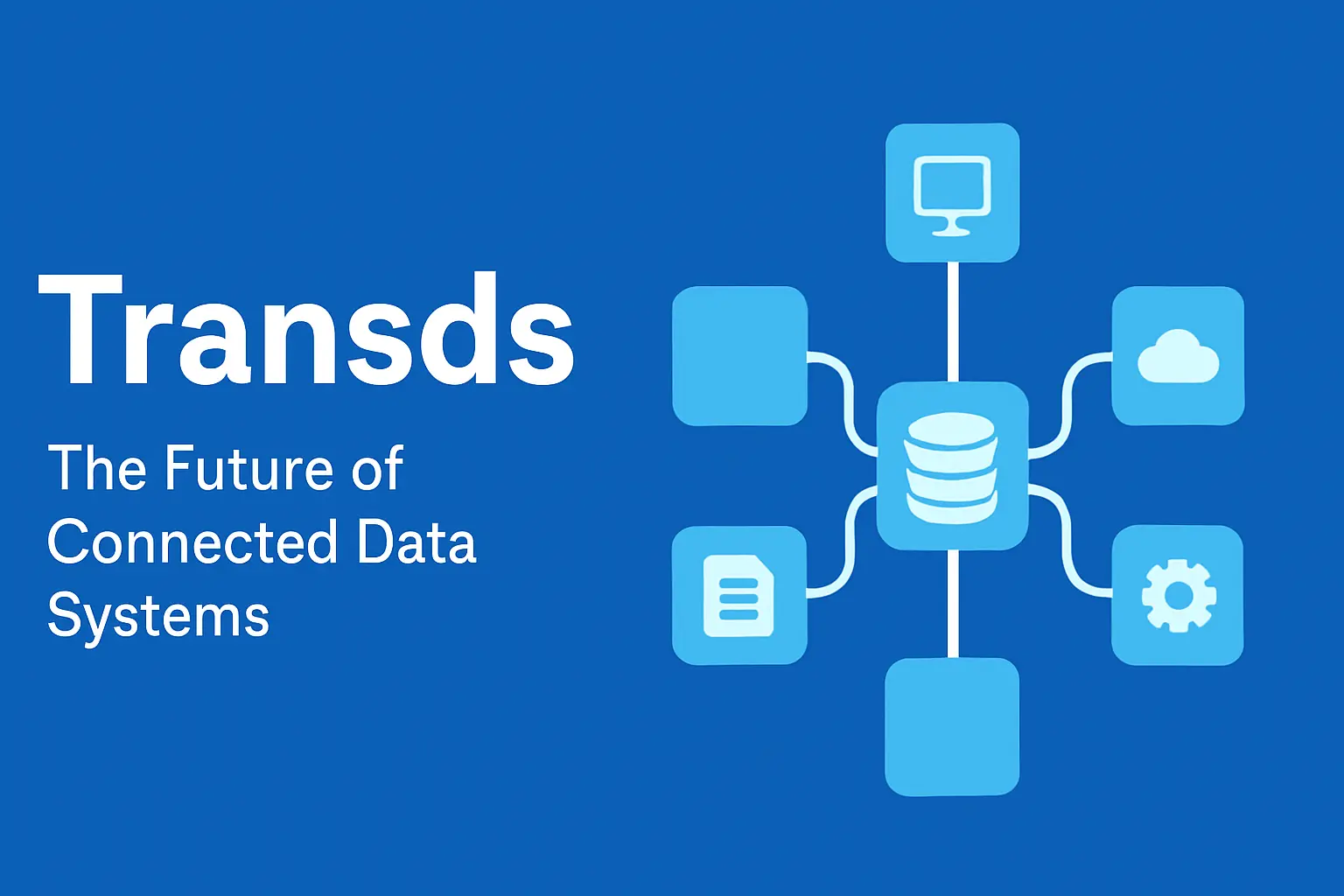
In today’s digital world, where organizations handle vast amounts of data every second, the ability to connect, share, and manage that data efficiently has become essential. Transds is emerging as a concept that focuses on integrating different data systems, promoting smoother workflows, and supporting smarter decisions. This article explores what transds means, why it matters, how it works, and how businesses and researchers can apply it in real life.
What is Transds?
Transds can be understood as a structured approach that unites data from multiple sources, creating a single, accessible system for all departments and users. It represents a move toward breaking data silos and encouraging collaboration between disciplines and systems. In simpler terms, transds helps organizations turn disconnected information into a clear, useful, and reliable network of knowledge.
The Importance of Transds in Modern Data Management
Businesses today rely on data-driven insights, but that data often lives in different databases, cloud systems, or departments. Transds plays a vital role by bridging these gaps. With a well-designed transds framework, companies can access cleaner, faster, and more consistent data. This helps in making accurate predictions, reducing operational costs, and improving overall performance. Transds also promotes transparency, which builds trust and ensures that all decisions are based on reliable information.
Key Components of a Transds Framework
A strong transds strategy depends on several interconnected elements:
- Data Integration: Combining information from diverse systems into one accessible format.
- Standardization: Setting common data definitions and formats to ensure consistency.
- Automation: Using tools to automatically update and synchronize data across platforms.
- Governance: Managing access, security, and quality control to maintain data integrity.
- Scalability: Designing transds systems that can grow as organizational needs expand.
How Transds Works in Practice
The process of applying transds involves mapping out all data sources within an organization, identifying overlaps or conflicts, and then building a unified data environment. For example, a healthcare provider might use transds to connect patient records, billing systems, and lab databases. By doing so, they gain a complete and accurate view of every patient, improving both care quality and efficiency.
Benefits of Using Transds
The adoption of transds provides several major advantages:
- Improved Collaboration: Teams across departments can access shared data without duplication.
- Faster Decision-Making: Real-time data access allows leaders to act quickly.
- Enhanced Accuracy: Unified data reduces the chances of human errors or outdated information.
- Cost Efficiency: Reduces redundant tools and processes, saving time and money.
- Greater Innovation: With all data available in one system, it becomes easier to explore new opportunities and trends.
Challenges in Implementing Transds
Although transds offers many benefits, it also brings challenges that must be addressed carefully. Integrating legacy systems, maintaining data privacy, and managing user access can be difficult for large organizations. To overcome these issues, businesses must plan properly, involve cross-department teams, and ensure all stakeholders are aligned. Training and documentation are also vital to ensure smooth adoption of transds principles.
Transds in Different Industries
Every sector can apply transds differently, depending on its unique needs:
- Business and Finance: Enables faster reporting, compliance, and data-driven planning.
- Healthcare: Links patient data securely across multiple systems for better outcomes.
- Education and Research: Promotes collaboration between different fields through shared databases.
- Manufacturing: Connects supply chains, production lines, and maintenance systems for efficiency.
- Retail: Merges online and offline customer data to enhance marketing and service.
Steps to Build a Successful Transds Strategy
- Assess Current Systems: Understand what data you have and where it resides.
- Define Goals: Identify what you want to achieve through transds integration.
- Choose the Right Tools: Use scalable, flexible platforms that support open APIs.
- Set Governance Rules: Create clear standards for who can access what data.
- Test and Improve: Start small, gather feedback, and expand once results are proven.
The Role of Transds in Digital Transformation
Digital transformation depends on the ability to move fast while staying accurate. Transds supports this by connecting systems that were previously isolated. This connection allows companies to automate more processes, use AI and analytics effectively, and deliver personalized customer experiences. Transds is not just a technical approach; it represents a cultural shift toward collaboration, data literacy, and transparency.
How Transds Supports Sustainability
Transds also plays an indirect role in supporting sustainability. When systems are connected and processes are optimized, organizations reduce waste, energy consumption, and manual effort. For example, manufacturers can use transds to track resource usage in real time, minimizing waste and improving production efficiency. This makes transds both an economic and environmental advantage.
Future Outlook for Transds
As organizations continue to adopt digital systems, transds will become even more important. The next generation of transds solutions will rely on artificial intelligence, automation, and machine learning to detect patterns and make recommendations automatically. Companies that invest in transds now will be better prepared for emerging technologies and future data challenges.
Five Short FAQs about Transds
What is the main purpose of transds?
The main purpose of transds is to integrate different data systems into a single, cohesive framework for better decision-making.
transds only for large organizations?
No, transds can be scaled for small, medium, and large businesses depending on their data needs.
How does transds improve efficiency?
By eliminating duplicate data and manual processes, transds speeds up operations and ensures accuracy.
Can transds enhance data security?
Yes, transds includes governance rules and access control to protect sensitive information.
What industries can benefit from transds?
Almost all industries—from healthcare to manufacturing—can benefit by improving data flow and collaboration.
Conclusion
Transds represents a shift toward smarter, more connected data environments. It empowers organizations to move beyond traditional boundaries, making data more valuable and accessible. By implementing transds strategically, businesses can achieve better collaboration, improved decision-making, and sustainable growth. As data continues to shape the world, transds will remain a guiding approach for integrating systems, enhancing performance, and building a future-ready organization.